
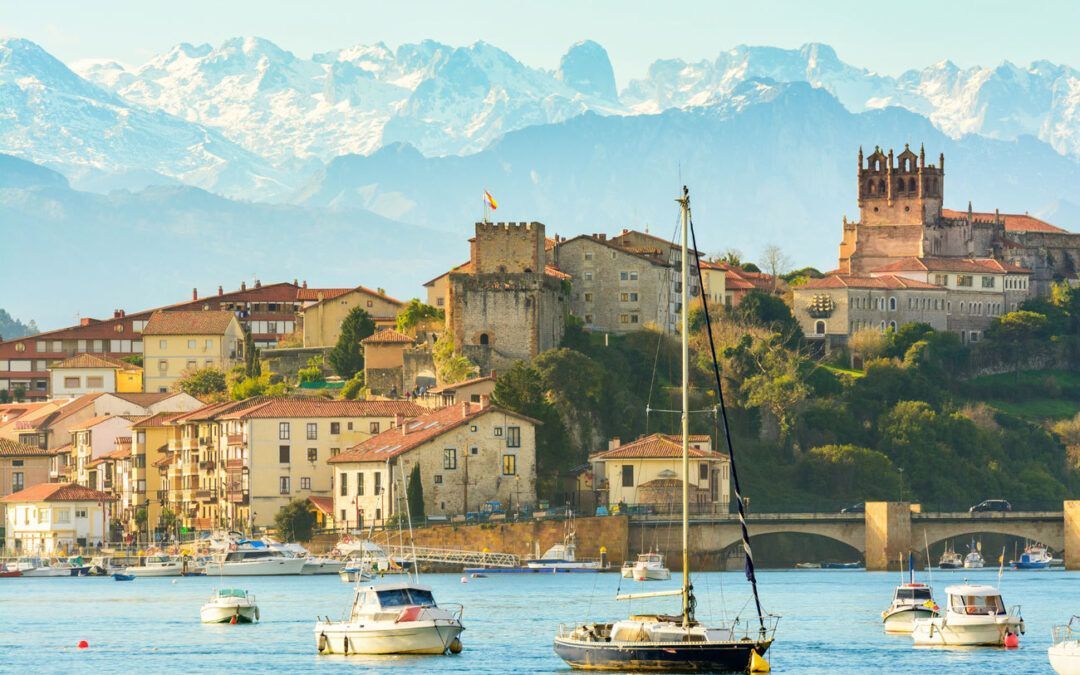
The routes through the northern region of Cantabria are wonderful, with coastal landscapes and mountains perfect for hiking, trekking, and enjoying authentic cuisine. This destination is ideal for a family vacation, a rural getaway, or a nature tour near Posada Sierra de Ibio.
Exploring this region is an opportunity to enjoy ancient history and the legends emanating from every corner. Cantabria was the chosen home of the first humans who created the unparalleled Hall of the Bison in the Altamira Cave (a UNESCO World Heritage Site) and the fierce Cantabrian warriors who heroically resisted Emperor Augustus’s Roman legions for ten years.
SANTANDER: EXCEPTIONAL TOWN AND PORT
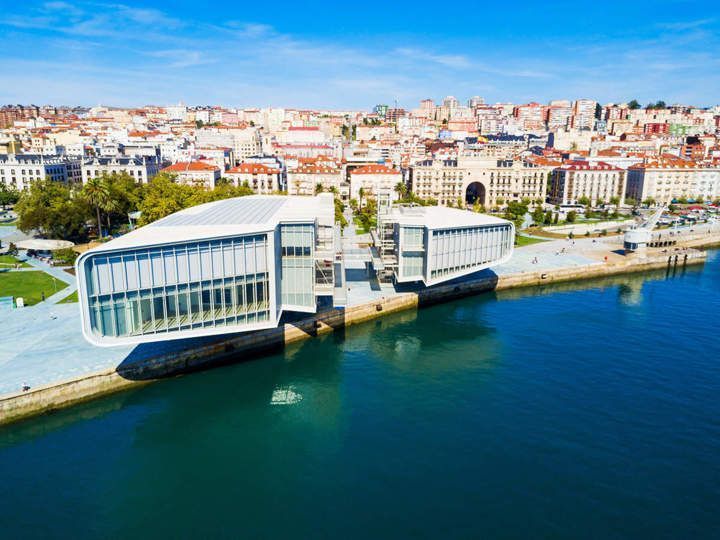
Santander synthesizes the essence and maritime genius of Cantabria. Located in one of the world’s most beautiful bays, this city is the perfect starting point for any adventure in the region. Founded by the Romans as Portus Victoriae in 29 BC, it grew for centuries around the Puebla Vieja and the port, at the foot of the King’s Castle and the Collegiate Church of the Holy Bodies, now a splendid cathedral.

To fully enjoy this beautiful city, you must walk along its promenade. Don’t miss the Tabacalera Civic Center near the Fishing District, which houses the largest vertical garden in Europe. The Botín Center represents Santander’s most avant-garde architecture and is the starting point of the Paseo de Pereda, leading along the city’s coastal itinerary, featuring elegant modernist buildings of the waterfront.
Puerto Chico and the Palace of Festivals mark this journey until you reach the Maritime Museum of Cantabria, near the Playa del Peligro. This area is filled with traditional establishments where you can enjoy a cocido montañés or participate in the Santander ritual of having vermouth accompanied by typical rabas, strips of breaded squid elevated to the category of delicacies.
THE MAGDALENA PENINSULA
The Magdalena Peninsula, at the eastern end of Santander, is a must-stop. It can be seen from the sea aboard boats touring the bay, also passing through Pedreña and Somo. Walking through the old Pombo train tunnel, now a pedestrian path, you reach the vicinity of the Gran Casino and the Sardinero beach, symbols of the Belle Époque. In 1913, the city gave King Alfonso XIII the Magdalena Palace, which became a royal residence, and its elegant architecture dominates the entire peninsula.
BEACHES, CLIFFS, AND LIGHTHOUSES
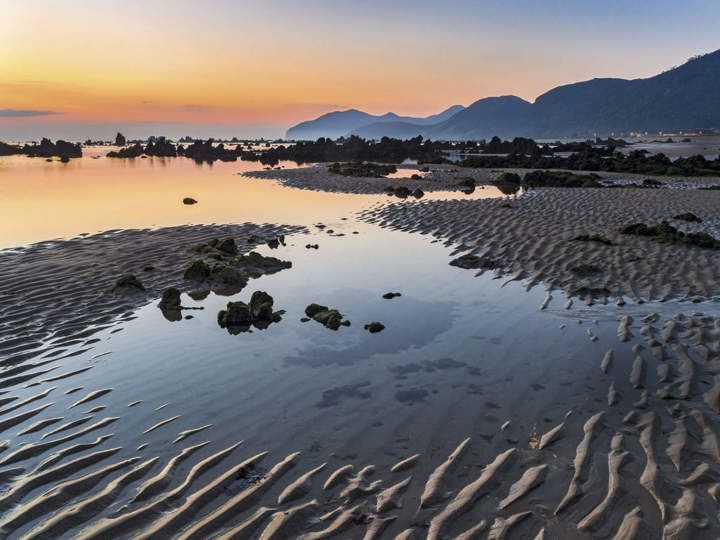
To the east stretches the Trasmiera region, reaching Santoña and housing numerous beaches and cliffs. Cantabria boasts around eighty beaches along its coastline. Visiting them all would require several summer vacations. Start with the Cabo de Ajo lighthouse, a famous tourist attraction painted by Cantabrian artist Okuda. From the famous lantern, a coastal path leads to the Ojerada Cave, a sea-open cavity with two holes resembling the eyes of a mythical giant.
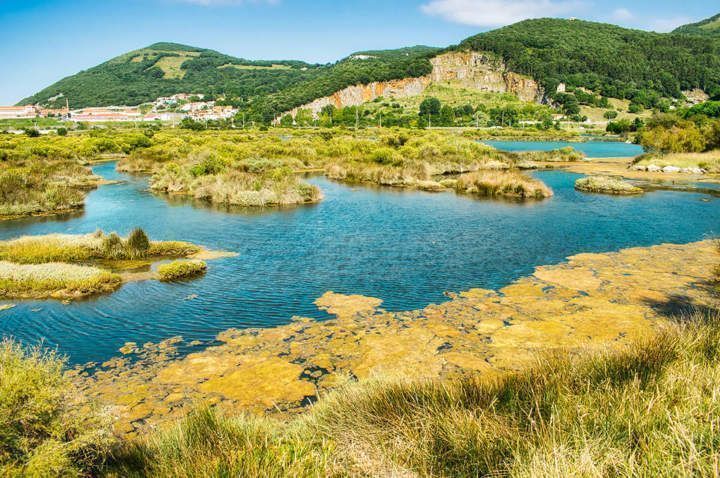
On the opposite bank of the Ajo estuary is La Arena beach, the starting point of a fabulous hiking route: in about three hours, you border promontories formed by ancient coral reefs. The cliffs of Isla municipality are part of the Trasmiera Ecopark reserves. When you reach Cabo Quejo, an old whaler lookout, the path descends to the village of Isla, offering a panoramic view of the Quejo estuary beaches and Joyel marsh.
HEADING TO ISLA AND NOJA
Isla and Noja are very popular spots. Noja opens to the sea with its Ris, Trengandin, and Helgueras beaches, while Isla has smaller but beautiful sandy areas. The Arnadal, El Sable, and Los Barcos beaches are separated by limestone rock formations. The natural elegance of these formations can only be compared to the harmony of a Japanese garden.
FROM LAREDO TO CASTRO URDIALES
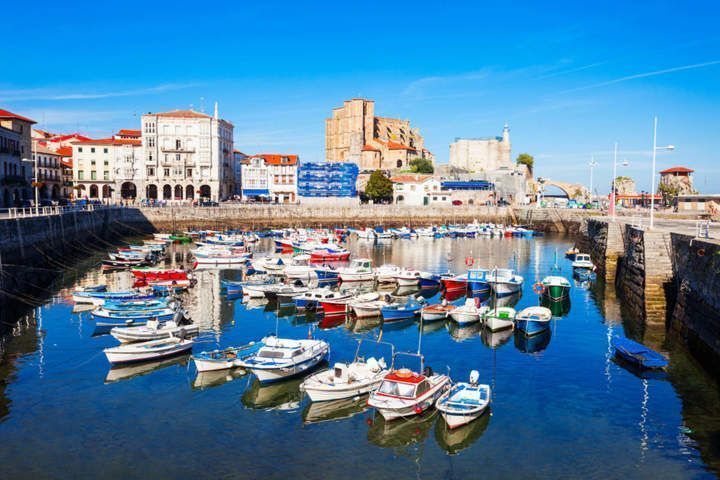
From Santoña, you can see the town of Laredo across the bay, with its three beautiful beaches stretching 8.4 km. It is said that the town of Laredo hosted royal travelers like Isabel the Catholic and her daughter Juana, and Emperor Charles V. The journey through the eastern end of Cantabria ends in the fishing town of Castro Urdiales. Flanked by Mount Cueto and the imposing Cerredo peak, it grew around the fishing port and the 13th-century Gothic church of Santa María de la Asunción.
LIÉRGANES BETWEEN BRIDGES
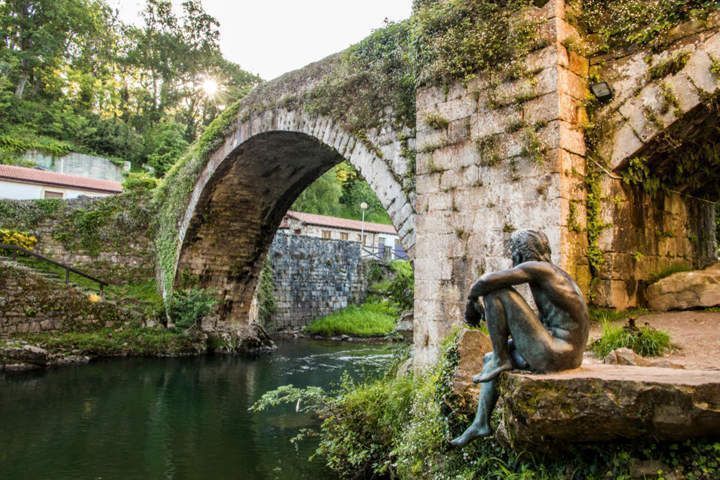
The route now continues westward, reaching Liérganes, straddling the Pas valleys and the Trasmiera region. This place is perfect for a rural getaway in Cantabria. Liérganes’ connection to the sea comes from Francisco de la Vega, better known as the Fish-Man, whose statue by the river perpetuates his memory.
SANTILLANA DEL MAR AND ALTAMIRA
Santillana del Mar, known as the town of three lies, is actually a charming destination. Just two kilometers away is the Altamira Cave, considered the Sistine Chapel of cave art. Santillana embodies the elegance of Cantabrian architecture, with its cobbled streets, ancestral palaces, and stately homes.
BARCENA MAYOR and THE GIANT TREE FOREST
By the Argoza River, the medieval village of Bárcena Mayor is nestled in a spectacular valley flanked by small hills. A rural paradise declared a Historic-Artistic Site since 1979, with barely a hundred inhabitants, a number that seems scarce for the beauty of one of the most beautiful villages in Spain. Bárcena Mayor is a village-monument, perfect for a rural weekend getaway in Cantabria.
The 2.5 hectares of the sequoia forest in Monte Cabezón constitute the largest forest of this species in Europe. A small network of trails allows you to delve into this special forest, finding different and amazing perspectives. Despite the successful acclimatization of these Sequoia sempervirens, it is a very unusual species in Cantabria and Spain in general.
SAN VICENTE DE LA BARQUERA AND OYAMBRE
The western border with Asturias is marked by San Vicente de la Barquera, a perfect place for a family vacation. From the heights, the imposing figure of the King’s Castle and the Church of Santa María de los Ángeles greet you. The main attraction of the town is its seafaring charm and salty air. A good starting point to visit the Oyambre Natural Park is the Sanctuary of the Virgin of the Barquera, with the Merón and Oyambre beaches declared “surf reserves.“
THE PICOS DE EUROPA
Potes, the capital of the Liébana region, is the gateway to the Picos de Europa. Here, nature combines with a rich culinary offer, highlighting the Picón Bejes-Tresviso cheese, the lebaniego stew, and the famous orujo. From Potes, a small detour leads to the Santo Toribio Monastery, the endpoint of the Camino Lebaniego. The Fuente Dé cable car reaches 1,823 meters in height, offering a unique experience for families and mountaineers. From the top, you can enjoy spectacular views and embark on hiking routes that explore the majesty of the Picos de Europa, where the Cantabrian Sea breezes caress the peaks.
Cantabria is a destination that fascinates with its history, nature, and rural charms, perfect for a family vacation, a rural getaway near Posada Sierra de Ibio, or a hiking adventure in Cantabria.
FUENTE e IMAGENES: Viajes National Geografic


Recent Comments